
Every manual intervention in a physical process introduces latency, variance, and system degradation. When running a poultry operation or scaling a breeding pipeline, treating human operators as physical cron jobs to manually rotate eggs is an architectural anti-pattern. Every lid breach injects thermal lag, destabilizes humidity profiles, and introduces contamination vectors that tank your hatch rate.
The objective is clear: replace human intervention with deterministic automation, slashing capital expenditure (CapEx) while optimizing for maximum yield.
Manual Approach (High Latency):
[Human Cron] ──(Lid Open: Thermal Lag & Risk)──> [Manual Egg Rotation]

Automated Architecture (Headless Execution):
[AC Power] ──> [Firmware / Automation Layer] ──> [Deterministic Rotation & Closed Loop Thermal Chamber]
The MVP: Thermal Chamber Specifications
The core architecture of an incubator relies on a deterministic goal: replicate the thermal profile of a brooding hen while stripping away biological variance.
Your Minimum Viable Product (MVP) requires a dedicated thermal chamber engineered to hold tight specifications:
- Stable Heat: Mitigate ambient fluctuations to keep internal temperatures nominal.
- Controlled Humidity: Maintain consistent moisture saturation to prevent shell membrane failure.
- Closed-Loop Isolation: Minimize external air exchange that destabilizes the internal microclimate.
A hen introduces inconsistent nesting routines and variable heat transfer. A built-to-spec chamber with continuous AC power enforcement replaces that entropy with steady-state reliability.
The Automation Layer: Headless Rotation
Manual incubators fail primarily due to operational friction. Turning eggs manually requires rigid schedules, constant time-sinks, and continuous thermal recovery cycles every time the chamber is opened.
+---------------------------+-----------------------------------+-----------------------------------+
| Metric / Parameter        | Manual Monitoring Rig            | Headless Automated Build          |
+---------------------------+-----------------------------------+-----------------------------------+
| Turning Mechanism         | Manual operator dispatch          | Automated cyclic motor / actuator |
| Human Intervention        | High (Persistent time-sink)       | Low (Zero touch during execution) |
| Thermal Stability         | Intermittent lag on lid opening   | Continuous steady-state chamber   |
| Biological Contamination  | High exposure risk                | Low (Sealed environment)          |
| Execution Layer           | Human cron job                    | Automated firmware loop           |
+---------------------------+-----------------------------------+-----------------------------------+
By decoupling the mechanical turning cycle from manual intervention, the rotation layer runs completely headless:
- Eliminate Thermal Lag: The chamber remains sealed, holding stable heat and humidity without periodic temperature drops.
- Mitigate Contamination: Keeping physical operators out of the chamber reduces exposure to outside pathogens.
- Deterministic Cycles: The automation layer guarantees rotation intervals on precise timelines.
You configure the operational parameters once; the internal firmware loop handles continuous execution through to the hatch window.
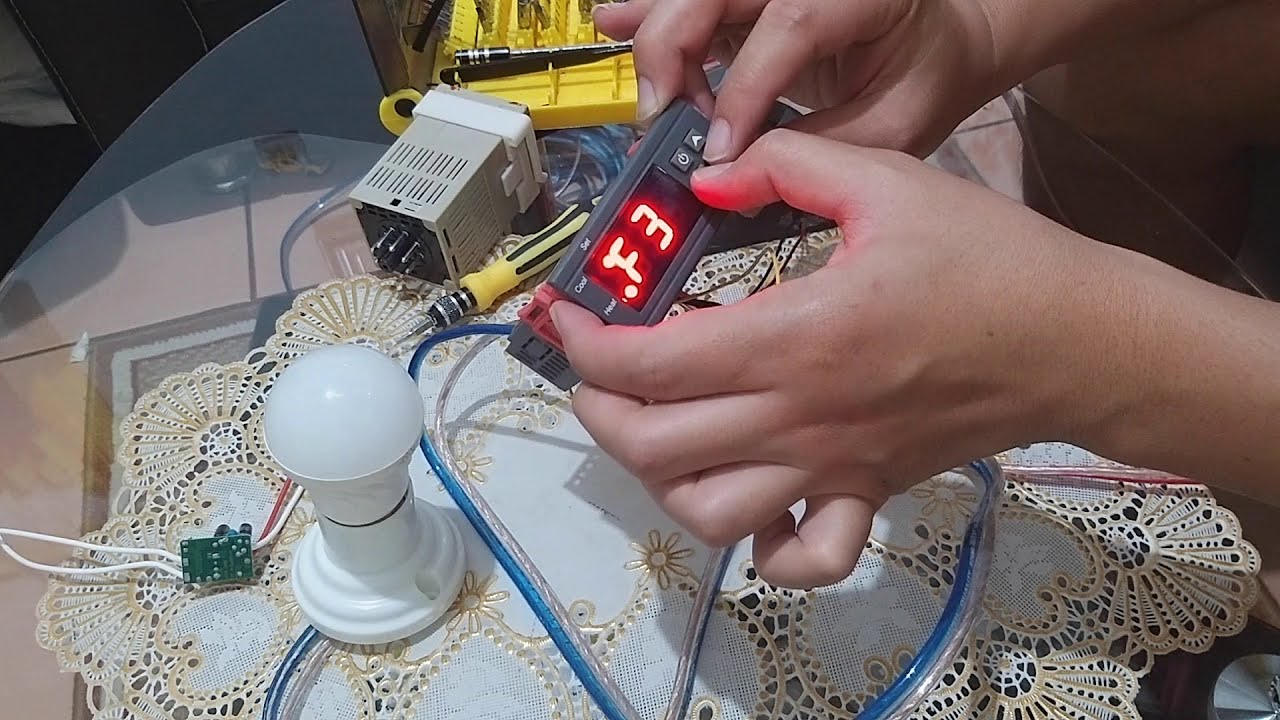
Low CapEx, Maximum Yield
Building an automated rig directly targets operational efficiency. Off-the-shelf commercial setups inflate upfront CapEx with proprietary enclosures, while basic manual boxes waste engineering time on low-level operational maintenance.
Deploying an AC-powered automated build delivers a robust hardware infrastructure at minimal cost. It protects hatch metrics, secures steady-state environmental variables, and permanently removes the human operator bottleneck from your production pipeline.